
Medical vs Cosmetic Botox: What's the Difference?
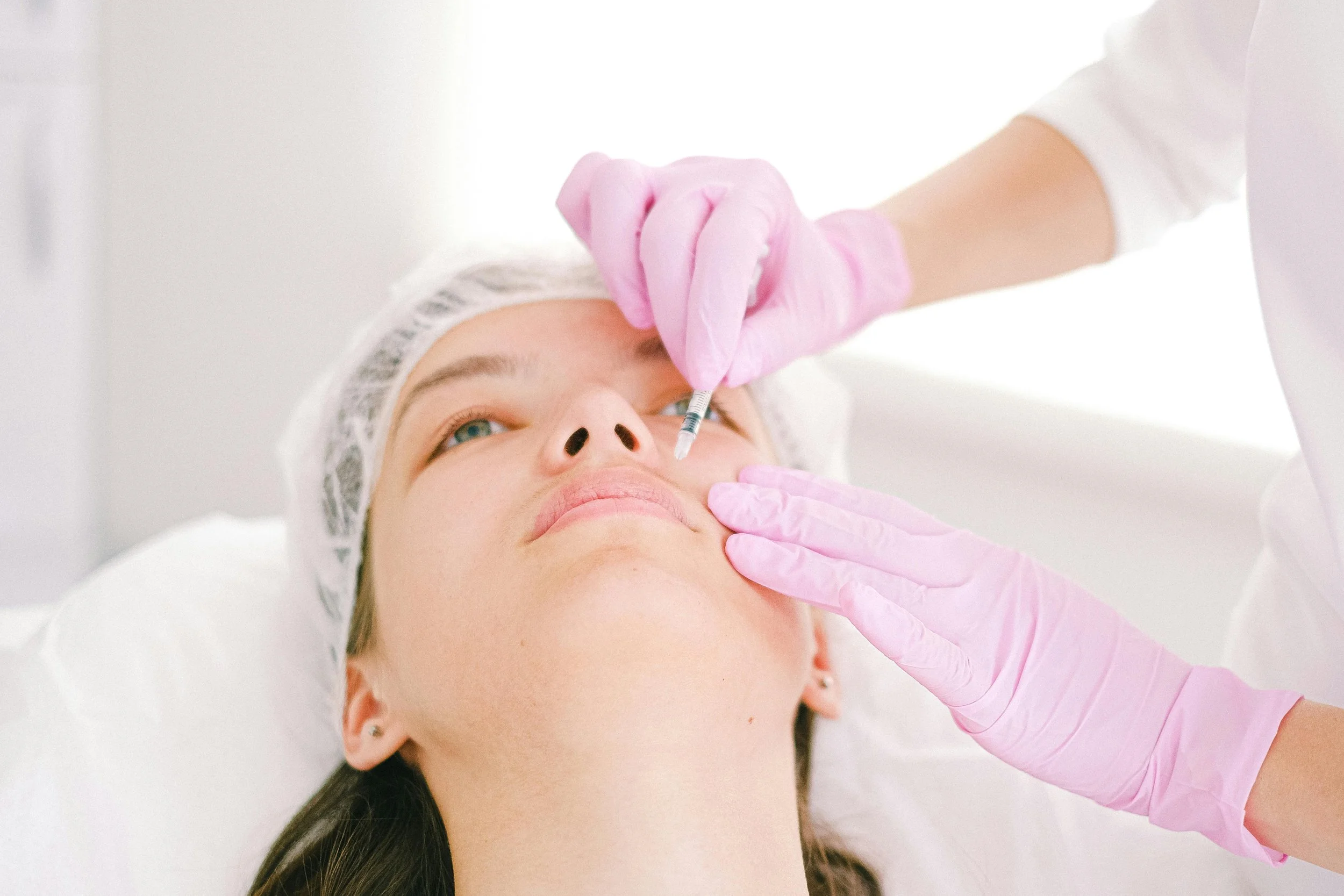
IBotox is one of the most widely recognised treatments in both medicine and aesthetics. But for many people, the distinction between medical and cosmetic Botox remains genuinely unclear. Is it the same substance? Is one safer than the other? And does it matter who administers it?
These are exactly the right questions to ask. Whether you are exploring Botox for a health-related concern or a cosmetic goal, understanding how the two differ will help you make a better-informed decision and choose a provider with the right level of expertise.
At The Implant Centre, our clinical team offers both Masseter Botox for jaw-related conditions and a full range of facial aesthetic treatments. That dual clinical perspective shapes everything in this guide.
Understanding Botox: A Quick Overview
Botulinum toxin type A, sold under brand names including Botox, Azzalure, and Bocouture, is a purified protein derived from the bacterium Clostridium botulinum. When injected in controlled, therapeutic doses it temporarily relaxes targeted muscles by blocking the nerve signals that cause them to contract.
The substance itself is the same whether it is being used to treat a medical condition or to smooth a wrinkle. What differs is the intention, the target muscle group, the dosage, and the clinical rationale behind the treatment.
Botulinum toxin has been used safely in medicine since the 1980s and received cosmetic approval in the early 2000s. Its safety profile, when administered by a qualified professional, is well-established across both applications.
What Is Medical Botox and How Is It Used?
Medical Botox refers to the use of botulinum toxin to treat a diagnosed clinical condition rather than to alter appearance. The treatment targets muscles or glands that are behaving abnormally, with the aim of restoring normal function or reducing symptoms.
Common medical applications include:
Bruxism and jaw clenching: injecting the masseter muscle to reduce the force of grinding and relieve associated headaches, jaw pain, and tooth wear
Temporomandibular joint (TMJ) dysfunction: relaxing overactive jaw muscles to reduce pain and tension
Hyperhidrosis: treating excessive sweating in the underarms, hands, or feet
Chronic migraine: reducing the frequency of migraine episodes in eligible patients
Blepharospasm and hemifacial spasm: controlling involuntary eye and facial muscle contractions
Cervical dystonia: managing painful, abnormal neck muscle contractions
In a dental context, Masseter Botox sits squarely within the medical category. The masseter is the large muscle responsible for chewing, and when it is chronically overactive, the consequences extend well beyond discomfort. Tooth wear, cracked restorations, fractured implants, and chronic facial pain can all follow. Treating the masseter with Botox addresses a genuine clinical problem, not an aesthetic one.
You can learn more about how our team approaches jaw-related conditions on our other treatments page.
Common Cosmetic Uses of Botox
Cosmetic Botox is administered to improve or alter appearance rather than to treat a clinical condition. It works on the same principle of muscle relaxation but targets the superficial facial muscles responsible for expression lines and dynamic wrinkles.
The most frequently treated areas include:
Forehead lines caused by raising the eyebrows
Frown lines (glabellar lines) between the brows
Crow's feet around the outer corners of the eyes
Bunny lines along the sides of the nose
Lip lines and a downturned mouth
Neck bands and platysmal cords
Cosmetic Botox does not permanently alter the skin or underlying structures. Results typically last three to four months before the muscle activity gradually returns and top-up treatment is needed.
At The Implant Centre, our facial aesthetics team administers Botox and dermal fillers with the same level of precision and anatomical understanding that underpins our dental work. That is not a coincidence: dental professionals have an unusually detailed knowledge of facial anatomy, nerve pathways, and injection technique.
Key Differences Between Medical and Cosmetic Botox
The core distinctions are not about the product itself but about purpose, dosage, and clinical decision-making.
Purpose: medical Botox treats a diagnosed condition; cosmetic Botox alters or enhances appearance
Dosage: medical applications often require higher or differently distributed doses depending on the target muscle and the severity of the condition
Prescribing pathway: both require a registered prescriber under UK law, but medical Botox typically involves a clinical assessment and formal diagnosis first
Outcome measure: with medical Botox, success is measured in symptom relief; with cosmetic Botox, it is measured in patient satisfaction with their appearance
Longevity: results in both cases are temporary, though medical treatments may require a different frequency of review
It is also worth noting that the two can overlap. Masseter Botox, for instance, is sought by some patients primarily for its therapeutic benefits and by others primarily because it produces a slimmer, softer jawline as a secondary effect. In practice, the clinical and aesthetic outcomes are not always easy to separate.
Treatment Goals: Health Outcomes vs Aesthetic Outcomes
The difference in treatment goals shapes everything about how the consultation should be conducted.
For medical Botox, a thorough clinical history is essential. A practitioner needs to understand the nature and duration of symptoms, whether the patient has tried other interventions, and what the realistic expectations are for relief. The aim is functional improvement: less pain, better sleep, protection of dental restorations, or a reduction in involuntary muscle activity.
For cosmetic Botox, the consultation should focus on facial analysis, realistic outcomes, and aesthetic preferences. Good cosmetic practitioners do not default to a standard treatment plan. They assess facial symmetry, muscle strength, and the patient's natural expression before recommending an approach.
In both cases, an honest conversation about what Botox can and cannot achieve is non-negotiable. No responsible practitioner should promise results that the treatment is unlikely to deliver.
Safety, Dosage, and UK Regulation: What You Need to Know
Since 2023, UK legislation has significantly tightened the rules around cosmetic Botox. Under the Health and Care Act 2022, administering botulinum toxin for cosmetic purposes without the involvement of a registered prescriber is now a criminal offence.
This means:
A qualified prescriber, such as a doctor, dentist, or prescribing nurse, must assess the patient and issue a valid prescription
The practitioner administering the treatment must be trained and working within their scope of practice
Clinics that cannot demonstrate a clear prescribing pathway should be avoided entirely
These rules apply to cosmetic Botox specifically. Medical Botox has always required clinical oversight, so the regulatory change most directly affects the cosmetic aesthetics industry, where unqualified practitioners had previously operated in a legal grey area. It is also worth noting that medical Botox must be administered in premises registered with the Care Quality Commission (CQC). This is a further layer of regulatory oversight that distinguishes genuine medical providers from cosmetic-only clinics, and it is another question worth asking any provider before you commit to treatment.
When choosing any Botox provider, patients should ask who the prescriber is, what qualifications the injecting practitioner holds, and whether the clinic can provide written aftercare guidance. If those questions are not answered clearly and confidently, that is a warning sign.
Dosage is also a safety consideration. Both underdosing and overdosing carry risks, including insufficient effect on one hand and unwanted muscle weakness or facial asymmetry on the other. The right dose depends on individual anatomy, muscle mass, and the specific treatment area.
Why Dental Professionals Are Well-Placed to Administer Botox
This is a point that surprises some patients, but the clinical rationale is sound.
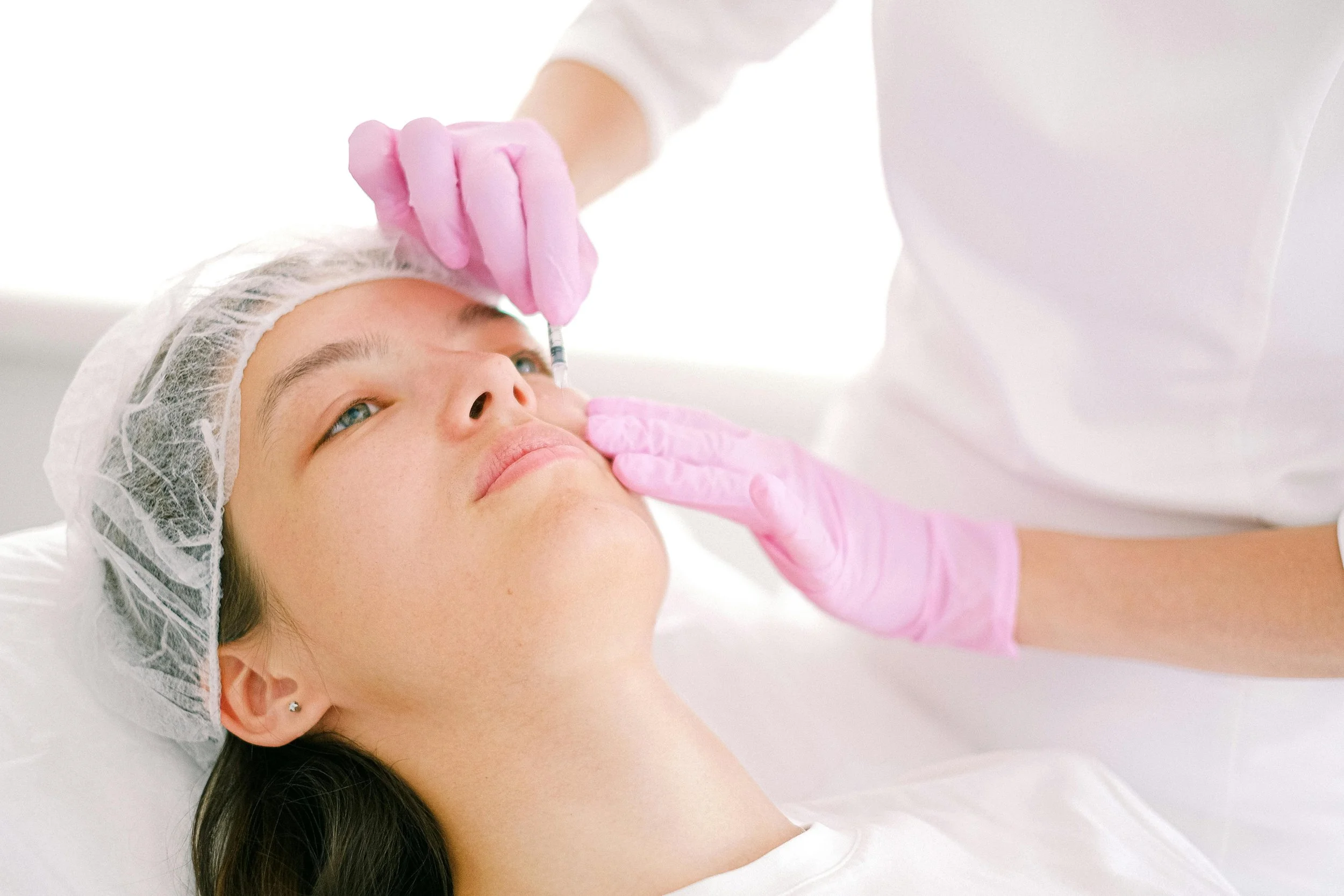
Dentists train extensively in the anatomy of the head, face, and neck. They understand the muscle groups, nerve pathways, and vascular structures of the lower face in detail that many aesthetic practitioners simply do not have. They are also experienced in administering injections with precision in a clinical setting, and they are qualified prescribers under UK law.
For Masseter Botox in particular, a dentist is arguably the most appropriate practitioner. They can assess whether jaw clenching or bruxism is causing damage to teeth or restorations, consider the treatment in the context of the patient's overall oral health, and monitor outcomes as part of ongoing dental care.
Our facial aesthetics team brings the same evidence-based approach to cosmetic treatments. Whether a patient is seeking relief from jaw pain or a subtle enhancement to their appearance, the clinical rigour behind the treatment remains the same.
Meet our facial aesthetics team
Choosing the Right Botox Treatment for You
The starting point is always an honest assessment of what you are trying to achieve.
If your primary concern is functional, whether that is jaw pain, persistent headaches linked to muscle tension, or teeth grinding that is wearing down your enamel, Masseter Botox as a medical treatment is likely the appropriate route. The consultation should involve a clinical assessment, not just a quick chat about facial goals.
If your primary concern is cosmetic, the right approach is a careful facial analysis with a qualified practitioner who can give you a realistic picture of what Botox will and will not do for your specific concerns. Be cautious of any clinic that skips the consultation, quotes a fixed price with no assessment, or cannot answer questions about their prescribing pathway clearly.
And if, like many patients, your goals sit somewhere in the middle, a practitioner who understands both the medical and aesthetic dimensions of Botox will give you the most complete advice.
At The Implant Centre, we offer consultations across both our Masseter Botox and facial aesthetics services. Our team can help you understand your options, set realistic expectations, and design a treatment plan that fits your clinical and personal goals.
View our Botox treatment options
The Bottom Line
Medical and cosmetic Botox use the same substance but serve very different purposes. Medical Botox targets clinical conditions and aims to restore function or relieve symptoms. Cosmetic Botox is about appearance and is intended to reduce the signs of ageing or alter facial contours.
Both are safe and effective in the right hands. Both require a qualified prescriber. And both deserve the same level of careful clinical consideration before treatment begins.
If you are weighing up your options or would like to speak to a clinician about whether Botox is appropriate for you, book a consultation online. Our team will give you an honest, straightforward assessment and help you decide which treatment is right for you.
Frequently Asked Questions?
-
Yes, Masseter Botox is highly effective for slimming the jawline. By reducing the size of an overdeveloped or hyperactive masseter muscle, the treatment creates a softer, more contoured lower face. While the effect is primarily a result of muscle relaxation rather than fat reduction, it is a popular, non-surgical solution for those looking to achieve a more refined and aesthetic jawline profile.
-
Generally, Masseter Botox should not change your smile, as it is precisely targeted at the chewing muscles near the back of the jaw. However, because the facial muscles are interconnected, it is essential to have this treatment performed by a clinician with an expert understanding of facial anatomy. When administered correctly, the treatment remains isolated to the masseter, ensuring your smile remains natural while the jawline is contoured and tension is relieved.
-
You will typically start to notice the effects within two weeks as the muscle begins to relax. We then schedule a review 2–4 weeks after your initial treatment to assess your results and determine if any minor adjustments are necessary.
-
No. Masseter Botox is precisely targeted at the chewing muscle located at the back of the jaw, which is distinct from the facial muscles responsible for expression. When performed by an expert clinician, the treatment relaxes the muscle enough to reduce tension and contour the jawline while leaving the muscles around your mouth and eyes completely unaffected, ensuring your facial expressions and smile remain natural and mobile.
-
Our focus is on delivering subtle, natural results that enhance your features without appearing overdone. Every treatment plan is meticulously tailored to your unique facial anatomy, ensuring that improvements are refreshed and refined rather than artificial. By combining clinical precision with an artistic approach, our team of experienced medical professionals ensures your final result is a naturally rejuvenated version of yourself.
-
While treatments like Botox are not reversible, their effects are temporary and will naturally wear off over three to six months. For dermal fillers, which use hyaluronic acid, we have the advantage of being able to use a special enzyme called hyaluronidase to dissolve the product quickly if a correction or reversal is ever required. This provides peace of mind, knowing that even our most popular treatments are both manageable and flexible.
Learn more about dental implants from how expert in these videos


