
Best Dental Implant Clinics in Sussex: What to Look For

Choosing a dental implant clinic is not a decision to take lightly. Implants are a long-term investment in your health, your confidence, and your quality of life. Done well, they can last decades. Done poorly, the consequences are painful, costly, and difficult to reverse.
The problem is that the market in Sussex, as across the rest of the UK, has expanded rapidly. General dental practices now offer implants alongside routine check-ups. Walk-in aesthetic clinics advertise implant treatment at prices that seem almost too good to be true. And for patients without a clinical background, it is genuinely difficult to know what separates a good provider from an exceptional one.
This guide cuts through that noise. Below, you will find the specific factors that distinguish the best dental implant clinics in Sussex from the rest, with clear questions you can ask at any consultation to make sure you are in the right hands.
Why Choosing the Right Dental Implant Clinic Matters
Dental implants are a surgical procedure. They require the placement of a titanium fixture directly into the jawbone, followed by a period of healing, and then the fitting of a custom-made crown. At every stage, precision matters.
The skill of the clinician placing the implant, the quality of the materials used, the accuracy of the planning technology, and the aftercare provided all have a direct bearing on whether the implant integrates successfully and how long it lasts.
Choosing a clinic based solely on price or convenience is a false economy. Revision surgery following a failed implant is significantly more complex and expensive than getting it right the first time. The better approach is to invest time at the research stage and choose a clinic that can demonstrate genuine expertise.
Key Qualifications and Specialist Expertise to Look For
Not all dentists who place implants have the same level of training. In the UK, implantology is not a recognised dental specialty in the same way that orthodontics or oral surgery is, which means that the breadth of experience and postgraduate training varies enormously between practitioners.
When researching a clinic, look for surgeons who hold postgraduate qualifications in implantology or oral surgery. Membership of professional bodies such as the Association of Dental Implantology (ADI) or the International Team for Implantology (ITI) is a useful indicator of commitment to continuing education and professional standards.
The strongest indicator, however, is volume. A surgeon who places dozens of implants each week develops a depth of clinical judgement that cannot be replicated by someone who places a handful per month alongside a full general dentistry caseload. Ask any prospective clinic how many implants their surgeons place each year, and how long the team has been working together.
At The Implant Centre, our surgeons are among the most experienced implant clinicians in the country. Three members of the team hold membership of the Accredited Oral Reconstruction Group, a select group of the UK's most experienced full-arch implant dentists. Learn more on our experienced implant team page.
Advanced Technology and Modern Implant Techniques
The technology available to a clinic has a direct impact on the accuracy of your treatment and the safety of your surgery. This is not a case of clinics simply having impressive equipment for the sake of appearances. The right tools genuinely change what is clinically possible.
The key technologies to look for are:
3D cone beam CT (CBCT) scanning, which allows the surgeon to assess bone density, volume, and the location of nerves and blood vessels before making a single incision
Intraoral 3D digital scanning, which replaces traditional impression materials and produces highly accurate digital models of the mouth for laboratory work
Computer-guided implant surgery, which uses the CT data to plan the exact position, angle, and depth of each implant before surgery begins, and can translate that plan into a surgical guide used during the procedure
3D printing, which enables the production of precise surgical guides and physical models on site
Clinics that still rely on conventional impressions and standard X-rays are working with significantly less information than those using digital workflows. That gap in information is a gap in precision.
The Implant Centre operates Trios intraoral 3D scanners alongside advanced CBCT imaging at both its Brighton and Hove and Haywards Heath sites. Read more about our advanced digital technology.
Experience with Complex and High-Risk Cases
Many clinics can handle routine single-tooth implant cases competently. The real differentiator is how a clinic performs when cases are more complex.
Patients who have been told by their own dentist that they are not suitable for implants due to bone loss, medical history, or gum disease often assume that implants are simply not an option for them. In reality, experienced implant clinicians can frequently work around these challenges using techniques such as bone grafting, sinus lifts, or full-arch treatments like All-on-4 or All-on-6.
When assessing a clinic's capability, ask specifically about their experience with:
Significant bone loss requiring grafting procedures
Full-arch implant rehabilitation, also known as All-on-4 or teeth in a day
Patients with complex medical histories or who are on medications that affect healing
Cases referred from other practices following complications
A clinic that primarily handles straightforward cases may not have the depth of experience required if your situation is anything other than routine. The best implant clinics in Sussex should be willing and able to take on the cases that others decline.
Patient Care: Comfort, Consultation, and Support
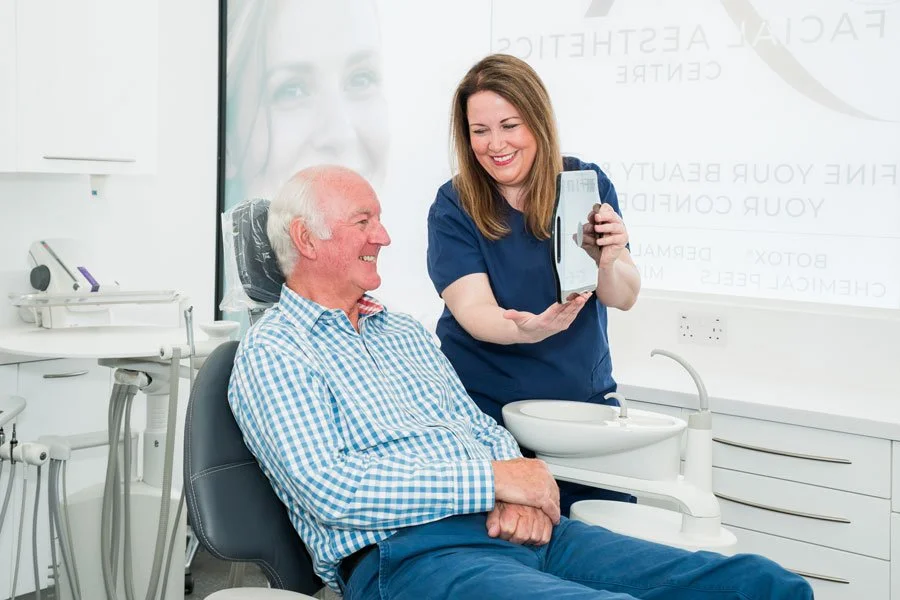
Clinical competence is essential, but it is not the whole picture. For many patients, the prospect of implant surgery is daunting. The quality of the consultation process, and the care provided throughout the treatment journey, has a significant bearing on the overall experience.
A thorough first consultation should cover your full dental and medical history, a clinical assessment, a review of your imaging, and a clear explanation of your options along with realistic expectations for outcomes and timescales. You should never leave a consultation feeling pressured or unclear about what has been recommended.
Look for clinics that offer:
Dedicated patient coordinators who can answer questions between appointments
Sedation options for nervous patients
Clear written treatment plans before any commitment is made
Structured aftercare and follow-up protocols
The best clinics treat the whole patient, not just the clinical problem. If a clinic rushes the consultation or is vague about what the treatment involves, that tells you something important.
Reviews, Testimonials, and Track Record of Success
Independent patient reviews are one of the most useful tools available to you during your research. They cut through the marketing and reflect the actual experience of people who have been through the same process you are considering.
Look at reviews across multiple platforms rather than relying solely on testimonials on the clinic's own website. Google Reviews, Trustpilot, and specific dental review platforms each capture a different cross-section of patients.
Pay particular attention to reviews that mention specific clinicians by name, that describe complex cases handled well, and that speak to the quality of aftercare rather than just the final result. Negative reviews are also informative: the way a clinic responds to criticism tells you a great deal about how they treat patients when things do not go entirely to plan.
Before-and-after case galleries are a further useful resource. Look for cases that appear similar in complexity to your own situation, and ask the clinic to walk you through one or two examples at your consultation.
Transparent Pricing and Treatment Planning
Pricing for dental implants varies considerably, and the variation is not always straightforward to interpret. A low headline price can mask additional costs for consultations, imaging, bone grafting, abutments, or crowns that are not included in the initial figure.
A reputable clinic will provide a fully itemised written treatment plan before any work begins. That plan should set out every stage of the treatment, the associated costs, and the anticipated timescale. There should be no ambiguity about what is and is not included.
Be cautious of clinics that are reluctant to put a full plan in writing, that quote a single price without a detailed breakdown, or that apply time pressure to your decision. Implant treatment is planned, not urgent. A reputable clinic will give you the time you need to consider your options.
Financing options are offered by many clinics and can make treatment more accessible. If this is relevant to you, ask about the terms, the interest rate, and whether the finance is arranged directly or through a third party.
On-Site Laboratory: Why It Makes a Difference
One of the features that most significantly affects both the quality and the efficiency of implant treatment is whether the clinic has an on-site laboratory. Most implant practices send their laboratory work out to external facilities, which introduces delays and limits the degree of collaboration between the surgeon and the technicians producing the crowns.
A clinic with its own laboratory can:
Produce crowns and restorations faster, reducing the number of appointments and waiting time
Ensure direct communication between the surgeon and the technician responsible for matching the shade and shape of the crown to your natural teeth
React quickly if adjustments are needed at the fitting stage
Maintain tighter quality control throughout the manufacturing process
The Implant Centre operates Ceramic Designs, an award-winning on-site laboratory at its Brighton and Hove site. Technicians work directly alongside surgeons, using 3D printing and advanced scanning equipment to craft bespoke crowns for each patient. See how our on-site implant laboratory works.
Convenient Location and Accessibility in Sussex
Dental implant treatment typically involves multiple appointments over several months. The location of your clinic matters more than it might for a single dental visit, because you will be returning for planning appointments, surgery, healing checks, and the final fitting.
Consider clinics that offer:
Multiple sites, so that you are not dependent on a single location
Easy access by public transport and adequate parking
Flexible appointment times, including early morning or evening availability where possible
Clear communication channels for questions or concerns between appointments
The Implant Centre operates clinics in Brighton and Hove and Haywards Heath, with both sites easily accessible from across Sussex and the surrounding areas. If geography is a consideration for you, it is worth checking at consultation whether your care can be split across sites if needed.
Making the Final Choice: Questions to Ask Your Clinic
By the time you reach a consultation, you should have already shortlisted clinics based on qualifications, technology, reviews, and transparency. The consultation itself is your opportunity to verify that impression in person.
The most useful questions to ask are:
How many implants does each surgeon place each year, and how long have they been practising implantology?
What imaging technology is available on site, and will I have a 3D CT scan as part of my assessment?
Does the clinic have an on-site laboratory, and who will be making my crown?
What happens if my implant fails? Is there a guarantee, and what does it cover?
Can I see examples of similar cases you have treated, including before-and-after records?
Is the full treatment plan itemised in writing before I commit?
A good clinic will answer all of these questions without hesitation. Evasive answers, dismissiveness, or pressure to commit at the first appointment are red flags worth taking seriously.
The Bottom Line
The best dental implant clinics in Sussex share a set of common characteristics: highly experienced surgeons, advanced imaging and digital technology, an on-site laboratory, transparent pricing, and a patient care approach that puts your interests first throughout the treatment journey.
Price is a consideration, but it should never be the primary one. The decisions you make at this stage will shape the outcome of a treatment that is designed to last for the rest of your life.
If you would like to discuss your options with one of our clinical team, you can book a consultation online. We will give you an honest assessment of your situation, explain your options clearly, and make sure you have everything you need to make the right decision for you.
Learn more about dental implants from how expert in these videos


