
Dental Anxiety: Causes, Symptoms, and How to Overcome It

If you're reading this with sweaty palms or a racing heart at the mere thought of a dental appointment, you're certainly not alone. Dental anxiety affects millions of people worldwide, with studies showing that between 10-20% of the population experiences significant dental fear or phobia. At The Implant Centre, we understand that dental anxiety is a real and legitimate concern that deserves compassionate, professional attention.
Dental anxiety isn't simply being nervous about a procedure – it's a complex emotional response that can range from mild uneasiness to debilitating fear that prevents people from seeking necessary dental care. This fear can stem from various sources, including past traumatic experiences, fear of pain, loss of control, or even societal portrayals of dental treatment in media.
The impact of dental anxiety extends far beyond the dental chair. When fear prevents regular dental visits, oral health deteriorates, often creating more complex problems that require extensive treatment – ironically making future dental experiences more challenging. This creates a vicious cycle where anxiety leads to avoidance, avoidance leads to worsening oral health, and deteriorating oral health increases anxiety about eventual treatment.
At The Implant Centre, our approach to anxious patients goes beyond simply providing technical dental expertise. We recognise that emotional comfort is just as important as physical comfort, and our outstanding patient care philosophy ensures that every patient feels understood, respected, and supported throughout their dental journey.
Understanding Dental Anxiety: What It Is
Dental anxiety encompasses a range of emotional and physical responses to dental treatment, from mild nervousness to severe phobia that can trigger panic attacks. Unlike general nervousness that most people experience before medical procedures, dental anxiety often involves specific fears about dental environments, procedures, or sensations associated with dental treatment.
The distinction between normal apprehension and clinical dental anxiety lies in the intensity and impact of the fear response. Normal nervousness might cause some butterflies before an appointment but doesn't prevent you from attending or interfering with treatment. Dental anxiety, however, can be so severe that it causes people to cancel appointments, avoid necessary care, or experience significant distress during treatment.
Dental phobia represents the most severe form of dental anxiety, characterised by an irrational, overwhelming fear of dental treatment that significantly impacts daily life. People with dental phobia may experience panic attacks at the thought of dental treatment, go to extraordinary lengths to avoid dental care, and suffer deteriorating oral health rather than face their fears.
Common Causes of Dental Anxiety
Past Traumatic Experiences
Previous negative dental experiences represent the most common cause of dental anxiety, with traumatic incidents often occurring during childhood when coping mechanisms are less developed. These experiences might include painful procedures, feeling rushed or dismissed by dental staff, or experiencing complications during treatment.
The impact of traumatic dental experiences can be long-lasting and profound. A single negative incident can create lasting fear associations that persist for decades, influencing how individuals perceive and respond to all future dental encounters. This is particularly true when the traumatic experience involved feeling helpless or out of control.
Fear of Pain and Discomfort
Pain anticipation represents a significant source of dental anxiety, often exceeding the actual discomfort experienced during treatment. This fear may be based on past experiences, stories from others, or assumptions about what dental procedures involve.
Modern pain management techniques have revolutionised dental comfort, but many people's perceptions haven't caught up with these advances. Topical anaesthetics, improved injection techniques, and sophisticated pain management protocols mean that most dental procedures can be completed with minimal or no discomfort.
Loss of Control and Vulnerability
The dental treatment environment inherently involves vulnerability – lying back with your mouth open while someone works inside it with instruments. This position can trigger feelings of helplessness and loss of control that contribute significantly to dental anxiety.
Unable to speak or move freely during treatment, some patients feel trapped or vulnerable, particularly if they have control issues or claustrophobic tendencies. This feeling of powerlessness can trigger anxiety responses even when the treatment itself is comfortable and well-managed.
Environmental and Sensory Triggers
Dental office environments contain numerous sensory stimuli that can trigger anxiety responses in sensitive individuals. The sound of dental drills, the smell of dental materials, or the sight of instruments can create immediate anxiety responses through classical conditioning.
White coat syndrome, where medical environments automatically trigger anxiety responses, affects many dental patients. The clinical appearance of dental offices, combined with medical smells and sounds, can activate stress responses before treatment even begins.
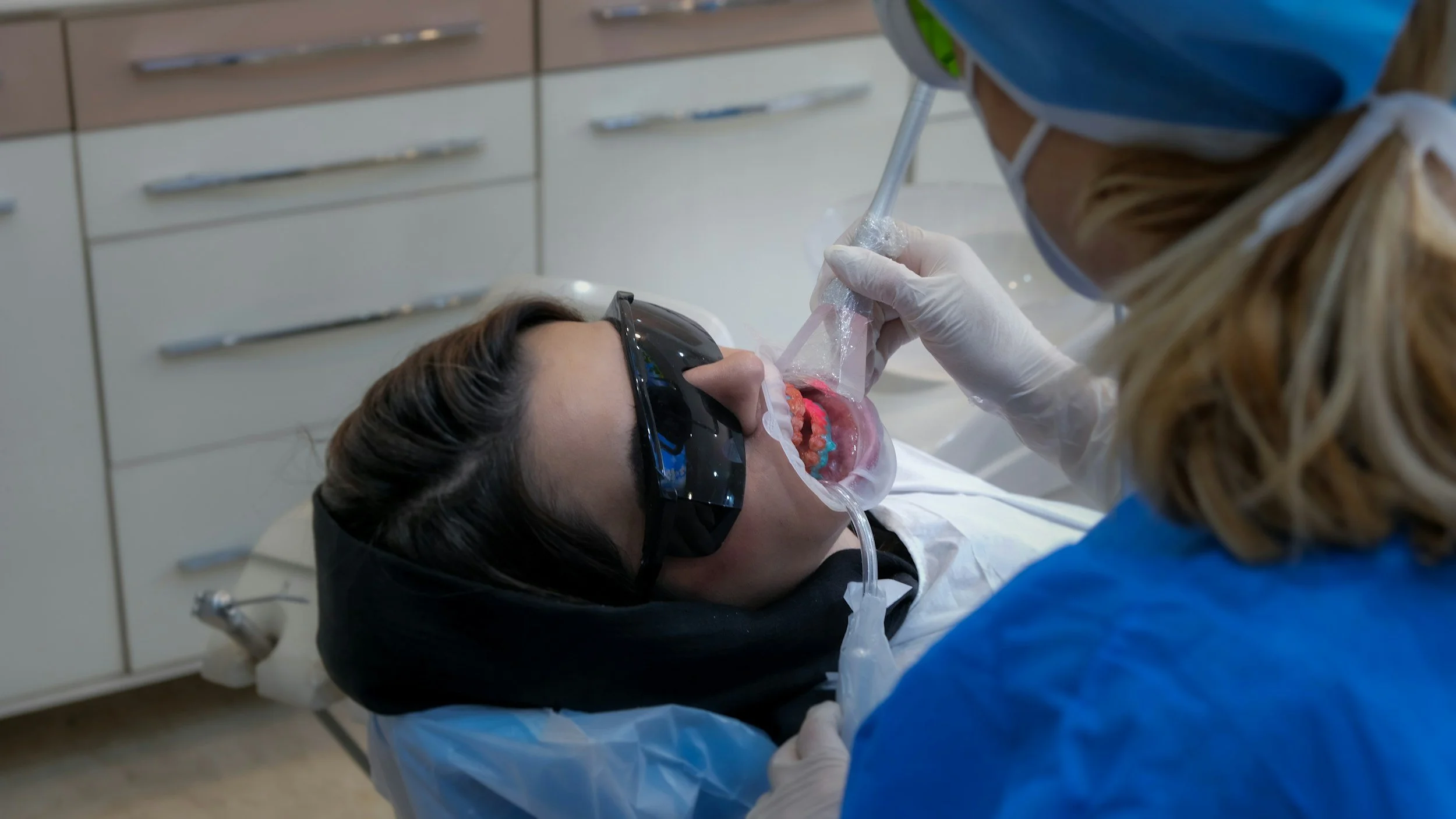
Physical and Emotional Symptoms to Watch For
Physical Symptoms of Dental Anxiety
Dental anxiety manifests through various physical symptoms that can range from mild discomfort to severe physiological distress. Increased heart rate is one of the most common symptoms, with some patients experiencing heart palpitations or racing pulse at the thought of dental treatment or while in the dental office.
Sweating and trembling often accompany dental anxiety, reflecting the body's stress response activation. These symptoms can be embarrassing for patients, potentially increasing their anxiety about being judged or appearing weak, which creates additional layers of emotional distress.
Nausea and digestive upset frequently occur with severe dental anxiety, sometimes beginning days before scheduled appointments. Some patients experience loss of appetite, stomach pain, or even vomiting when contemplating or approaching dental treatment.
Muscle tension throughout the body, particularly in the jaw, neck, and shoulders, commonly accompanies dental anxiety. This tension can create additional discomfort and fatigue, making dental treatment more challenging and reinforcing negative associations with dental care.
Emotional and Behavioural Symptoms
Sleep disturbances often precede dental appointments for anxious patients, with worry about upcoming treatment interfering with normal sleep patterns. This sleep loss can increase overall stress levels and reduce coping capacity, making dental anxiety worse.
Avoidance behaviours represent the most problematic aspect of dental anxiety, as they prevent necessary care and often lead to worsening oral health. These behaviours might include cancelling appointments, postponing treatment, or simply never scheduling needed care.
Irritability and mood changes frequently accompany dental anxiety, affecting relationships and daily functioning. Family members may notice increased tension or emotional volatility in the days leading up to dental appointments.
Catastrophic thinking patterns, where patients imagine worst-case scenarios or assume the worst possible outcomes, can escalate anxiety to panic levels. These thought patterns often involve irrational fears that are disproportionate to actual risks or realities of modern dental treatment.
How Dental Anxiety Impacts Oral Health
The Avoidance Cycle
Dental anxiety creates a destructive cycle where fear leads to avoidance, avoidance leads to deteriorating oral health, and worsening oral health increases the complexity and perceived threat of eventual dental treatment. This cycle can continue for years or even decades, creating increasingly serious oral health problems.
When patients avoid regular dental care due to anxiety, small problems that could be easily addressed with routine treatment develop into major issues requiring more extensive intervention. A simple filling can become a root canal, or a treatable infection can develop into a serious medical emergency.
Emergency dental situations often force anxious patients to seek care when they're least prepared to cope with treatment. Emergency appointments typically involve more urgent, complex procedures performed under stressful circumstances, potentially reinforcing negative associations with dental care.
Long-Term Consequences
Periodontal disease progression accelerates when regular professional cleanings and monitoring are avoided. What begins as gingivitis can develop into serious periodontitis, leading to tooth loss and potential systemic health impacts including cardiovascular disease and diabetes complications.
Oral infections that develop from untreated decay can become serious medical emergencies, potentially leading to hospitalisation or life-threatening complications. The irony is that avoiding dental care to prevent discomfort can result in genuinely dangerous situations requiring emergency medical intervention.
Social and professional impacts of poor oral health can be significant, affecting career opportunities, relationships, and overall quality of life. The smile is often the first thing people notice about others, and dental problems can create self-consciousness that limits social interaction and professional advancement.
Tips for Managing Anxiety Before a Dental Visit
Preparation Strategies
Effective preparation begins weeks before your dental appointment with mental and emotional readiness techniques. Research your procedure thoroughly using reliable sources to replace fearful imagination with factual knowledge about what to expect. Understanding the steps involved, typical duration, and recovery requirements helps reduce fear of the unknown.
Practice relaxation techniques daily in the weeks leading up to your appointment so these skills are well-developed when you need them. Deep breathing exercises, progressive muscle relaxation, meditation, or mindfulness practices can significantly reduce baseline anxiety levels and provide coping tools for appointment day.
Communication Strategies
Contact the dental office before your appointment to discuss your anxiety with staff members. Our most experienced implant team is specifically trained to work with anxious patients and can provide reassurance, answer questions, and discuss comfort options available.
Prepare a list of questions about your procedure, pain management options, and what to expect during recovery. Having clear information helps reduce uncertainty and provides a sense of control over the treatment process.
Be honest about your anxiety level and specific fears so your dental team can tailor their approach accordingly. Different anxiety management techniques work better for different concerns, and personalised approaches are more effective than generic protocols.
In-Clinic Techniques to Reduce Stress and Fear
Environmental Comfort Measures
Modern dental offices implement numerous environmental modifications to create calming atmospheres for anxious patients. Comfortable seating areas, soothing music, pleasant lighting, and calming colours all contribute to reducing anxiety before treatment begins.
Temperature control and air quality management help patients feel physically comfortable, while noise reduction techniques minimise startling sounds from dental equipment. Some offices provide noise-cancelling headphones or allow patients to listen to personal music during treatment.
Communication Techniques
Clear, compassionate communication forms the foundation of anxiety management in dental settings. Explaining procedures in simple, non-threatening language helps patients understand what's happening without using technical terms that might sound scary or confusing.
Regular check-ins during treatment allow patients to communicate comfort levels and receive reassurance about progress. These brief pauses demonstrate respect for patient needs and provide opportunities to address concerns before they escalate.
Distraction Methods
Entertainment options including television, streaming services, or personal music provide effective distraction from treatment sounds and sensations. Many patients find that engaging content helps time pass more quickly and reduces focus on dental procedures.
Breathing exercises and guided meditation can be incorporated into treatment sessions, with dental team members providing verbal cues for relaxation techniques while working. This combination of professional treatment with anxiety management creates optimal experiences for nervous patients.

Sedation and Other Specialist Options
Levels of Sedation Available
Nitrous oxide, commonly known as laughing gas, provides mild sedation that reduces anxiety while maintaining full consciousness and communication ability. This option works well for patients with moderate anxiety and has the advantage of wearing off quickly after treatment, allowing patients to drive themselves home.
Oral sedation involves taking prescribed medication before treatment to achieve deeper relaxation while remaining conscious. Patients feel drowsy and much less concerned about procedures, though they can still respond to instructions and communicate with the dental team.
Intravenous sedation provides the deepest level of conscious sedation available in dental settings, with medication delivered directly into the bloodstream for immediate and controllable effects. Most patients have little to no memory of treatment while remaining technically conscious throughout procedures.
Safety and Monitoring
All sedation options require thorough medical history evaluation and appropriate patient screening to ensure safety and effectiveness. Continuous monitoring during sedation includes pulse oximetry, blood pressure monitoring, and respiratory assessment to ensure patient safety throughout treatment.
Recovery protocols vary by sedation type but always include appropriate observation periods and discharge criteria to ensure patient safety. Patients receiving deeper sedation levels require responsible adults to accompany them home and monitor their recovery.
Building Confidence for Long-Term Dental Care
Gradual Exposure Therapy
Building positive dental experiences starts with simple, non-threatening appointments that allow patients to become comfortable with the dental environment and team. Initial visits might focus on consultation, examination, or simple cleaning procedures that build trust and familiarity.
Successful completion of minor procedures builds confidence for more complex treatments. Each positive experience helps counteract previous negative associations and creates new, more positive memories related to dental care.
Developing Coping Skills
Relaxation techniques learned and practised during dental treatment can be applied to other anxiety-provoking situations, providing broader life benefits beyond dental care. These skills include deep breathing, progressive muscle relaxation, and mindfulness practices.
Self-advocacy skills enable patients to communicate needs, ask questions, and participate actively in treatment decisions. Empowered patients feel more in control and less vulnerable during dental procedures.
When to Seek Professional Support for Anxiety
Recognising Severe Anxiety
Dental phobia that significantly impacts daily life, causes panic attacks at the thought of dental treatment, or prevents necessary emergency care requires professional mental health intervention beyond what dental offices can provide. These severe anxiety responses often benefit from specialised psychological treatment.
Avoidance behaviours that have persisted for years and resulted in serious oral health deterioration require comprehensive treatment approaches that address both the psychological and dental aspects of the problem.
Therapeutic Options
Cognitive behavioural therapy specifically designed for dental anxiety has proven highly effective in helping patients overcome dental fears. This therapy focuses on identifying and changing thought patterns and behaviours that contribute to dental anxiety.
Systematic desensitisation involves gradual exposure to dental-related stimuli in a controlled, therapeutic environment. This technique helps patients become comfortable with dental situations progressively and safely.
Success Stories and Hope for Recovery
Our patient stories showcase remarkable transformations from dental phobia to confident dental care. These accounts provide hope and practical insights for patients struggling with similar challenges, demonstrating that even severe dental anxiety can be successfully overcome.
These success stories share common elements including patient-centred care, effective communication, appropriate anxiety management, and experienced teams trained specifically in working with anxious patients.
Your journey toward comfortable dental care begins with the decision to seek help and work toward overcoming anxiety rather than continuing to avoid necessary treatment. This decision represents significant courage and the first step toward better oral health and quality of life.
Conclusion: Your Path to Confident Dental Care
Dental anxiety is a legitimate concern that affects millions of people, but it doesn't have to prevent you from receiving the oral health care you deserve. Understanding the causes and symptoms of dental anxiety is the first step toward developing effective strategies for managing and overcoming these fears.
Modern dentistry offers numerous solutions for anxious patients, from environmental modifications and communication techniques to various sedation options and psychological support services. The key is finding the right combination of approaches that work for your specific needs and anxiety level.
At The Implant Centre, we're committed to providing compassionate, understanding care for patients at every anxiety level. Our experienced team recognises that emotional comfort is just as important as physical comfort, and we work diligently to ensure that every patient feels safe, respected, and supported throughout their treatment journey.
Don't let dental anxiety prevent you from achieving optimal oral health and the confidence that comes with a healthy, beautiful smile. Contact The Implant Centre today to discuss your concerns and learn about the anxiety management options available to help you receive comfortable, effective dental care.
Frequently Asked Questions?
-
Many people feel apprehensive about dental surgery, even without a prior bad experience. We take the utmost care to ensure every appointment is as comfortable as possible. Our team talks to you throughout your treatment, explaining as much or as little as you wish. Many patients find this open communication extremely calming, as it gives them a sense of control and reassurance throughout their care.
-
If you feel panicked, please know that your comfort and control are our absolute priority. We encourage you to tell us immediately if you feel overwhelmed, as we can stop the procedure at any time. Our team is highly experienced in supporting nervous patients. We use a variety of techniques to help you stay calm, including clear communication, taking breaks whenever you need them, and ensuring you are always in control of the pace of your treatment. You are never forced to continue; we will work entirely at your speed to ensure you feel safe and supported throughout your visit.
-
Yes. For nervous patients or those undergoing more complex procedures, we offer sedation. This leaves you feeling deeply relaxed and often completely unaware of the treatment being carried out. Patients rarely remember much about the procedure afterward, which provides a significant advantage for those with dental anxiety. It allows you to receive the necessary care in a comfortable, stress-free environment. If you are interested in this option, we can discuss it during your consultation to determine if it is the right approach for your needs.
-
We take the utmost care to ensure that every patient’s experience is as comfortable and stress-free as possible. While we provide the same high standard of clinical excellence to everyone, we tailor our approach to suit your individual needs. Our surgeons are dedicated to clear communication, explaining as much or as little as you wish throughout your treatment to ensure you always feel in control. For those who require extra support, we offer sedation administered by our dedicated anaesthetists, Dr. Rex Yetton and Dr. Mel Keel. Both of these anaesthetists are widely recognised for their gentle, caring manner, which many of our anxious patients find incredibly reassuring and helpful in making their visit a positive one.
-
We understand that visiting the dentist can feel daunting, but please be assured that we do not judge. We see a wide variety of dental conditions every day, and our only focus is on helping you move forward towards better health. Our team is here to provide professional, empathetic support, not criticism. Whether you have not visited a clinic for many years or are concerned about the current state of your teeth, we will treat you with total respect and discretion. We will work with you to create a manageable plan that fits your needs, ensuring you feel confident and supported at every stage of your care.
-
It is completely normal to feel emotional during your treatment. We understand that dental issues, especially those requiring complex restoration or implants, are deeply personal and often have a significant impact on your life and confidence. Please do not worry if you feel like crying. Our team is very accustomed to this, and we have the utmost empathy for the experiences that lead our patients to us. We will simply pause the treatment to give you the time and space you need to recover. You are in a safe, supportive environment, and our primary goal is to ensure you feel cared for and comfortable throughout your entire journey with us.
-
Taking the first step is often the hardest part, but you can start as slowly as you need. We suggest beginning with a simple, no-pressure consultation. This is essentially a conversation where you meet us in a calm, controlled environment to discuss your concerns and ask questions. You are not committing to any treatment by coming in. This initial visit is entirely about you feeling comfortable, meeting the team, and seeing the practice for yourself. You can email or call us to explain your anxiety beforehand; we can then arrange for you to speak with a member of our team who can put your mind at ease before you even sit in the dental chair. There is no rush, and everything is conducted at your pace to ensure you feel entirely in control.
-
Your first appointment is designed to be as relaxed and pressure-free as possible. We focus entirely on getting to know you, understanding your specific concerns, and answering all your questions in a calm, welcoming environment. We understand that sitting in the chair can be the biggest hurdle, so we always begin with a conversation. There is absolutely no pressure to proceed with any examination until you are ready and feel entirely at ease. We will guide you through the process at your own pace, explaining everything we do in as much or as little detail as you wish. Our priority is to listen, build trust, and ensure you feel in control of every part of your visit.
Learn more about dental implants from how expert in these videos


