Advanced Digital Technology
Our Brighton & Hove and Haywards Heath sites boast state-of-the-art facilities meticulously designed and equipped with the most advanced technology available in the UK
Our Scanners
Trios Intraoral 3d Digital Scanner
We have invested in the Trios Intraoral Scanner – the finest machine on the market today. This new technology allows some patients to avoid the need to cope with the difficulty of impression taking by reducing gagging and improving comfort.
The scanner produces an incredibly accurate digital 3D image of the patient’s mouth.
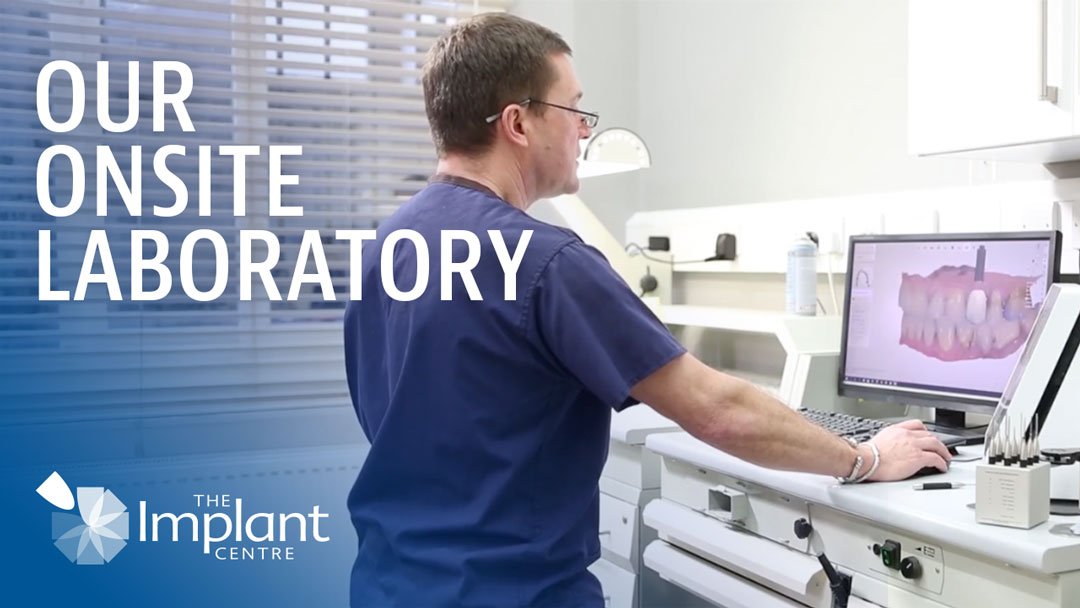
Once the scan is complete, the images are passed to our onsite laboratory to allow for 3D printing of models, and manufacture of the final teeth. This is truly the future of dental technology and is available today with us.
Most dentists have not experienced this technology; we recently demonstrated this to a group of referring dentists and they were simply amazed by how advanced the technology is that we have at our disposal.
Latest Intraoral 3D Digital Scanning avoids the need to have conventional impressions
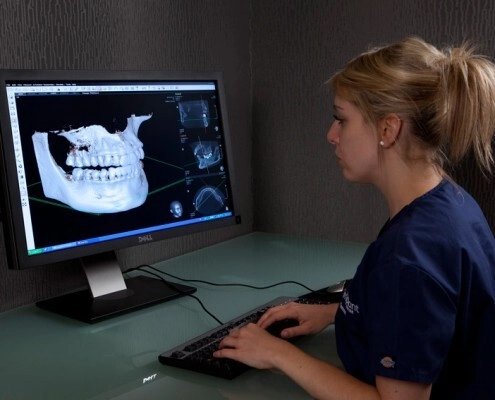
Advanced 3D CT Imaging and Computer-Guided Dental Implant Surgery
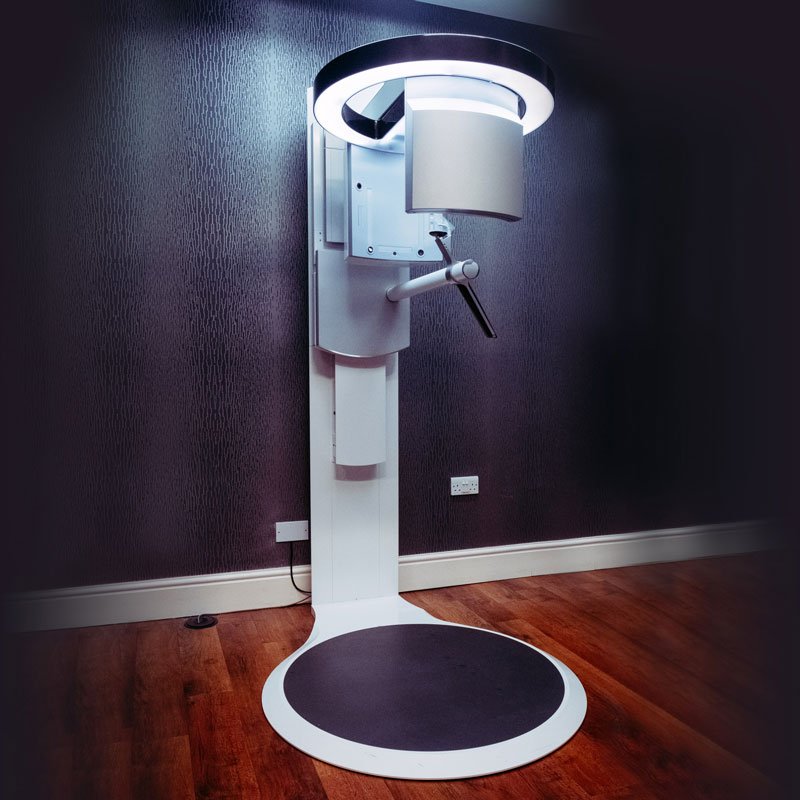
Both of our state-of-the-art facilities are specifically designed and equipped with some of the most advanced 3D digital technology available in the UK, and have been since we opened the first practice in 2006. Before this we either had to work without CT scanning, or had to refer our patients to hospital based CT scanning units.
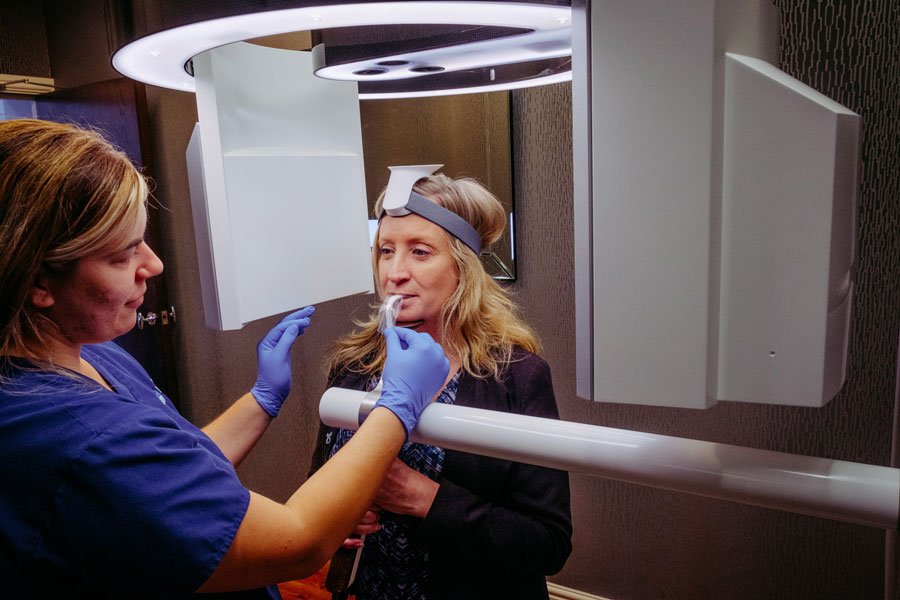
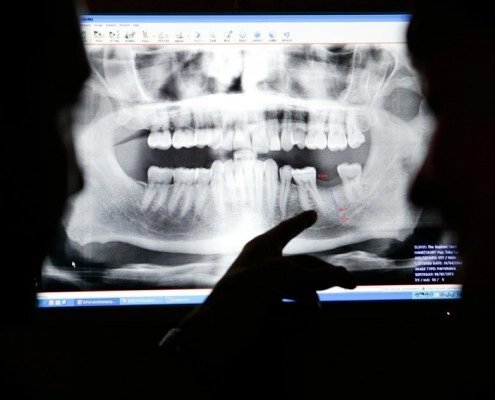
3D digital X-Ray imaging is essential for dental implant treatment to ensure accurate planning and safe surgery. Some cases will even require 3D printed models of the CT scan and 3D printed surgical guides, something we can produce in our own on-site laboratory.
Implant surgery, as with any medical or dental intervention, requires careful planning to ensure no inadvertent damage is caused. 3D imaging allows us to look at your jawbone from all angles on a computer screen and assess very carefully what surgical options are available to you.
This imaging also allows us to plan and perform your implant surgery with complete precision, ensuring that we can safely avoid any nerves or blood vessels in the region.
We will be delighted to demonstrate this equipment to you and show you exactly what advantages this safe, affordable and non-invasive imaging technique has over normal dental x-rays.
Linking 3D CT Imaging and Intraoral Scanning – Futuristic Technology Today
We now have the ability to link the CT images to the intraoral digital images, something which may be required in more complex cases and which takes a great deal of expertise.
The results are amazing. This technology gives us a precise understanding of the patients underlying bone structure, and the relationship to the planned position of the new implant teeth. We can then utilise this information to allow for ideal outcomes, with printed surgical guides and pre-manufactured temporary teeth, made before the surgery has even started! This reduces risks, simplifies the patient’s experience in the dental chair and truly takes The Implant Centre to the forefront of technology in implant dentistry.
Frequently Asked Questions
-
Yes. A high-definition 3D CT scan is an essential part of our diagnostic process, allowing us to accurately assess your bone availability and anatomy. This investment in imaging ensures precise planning and safer, more predictable results. A high-definition 3D CT scan costs £300. For more complex treatments, we may also utilise 3D models, custom surgical guides, and computer-assisted surgery to further enhance the precision of your implant placement.
-
Guided implant surgery is a highly accurate, digital approach to placing dental implants. Using the data from your high-definition 3D CT scan, we create a custom surgical guide — a precision template that fits over your remaining teeth — which directs the exact position, angle, and depth for every implant placement. This technology is particularly useful for:
Complex anatomical cases: Where implants need to be placed with extreme precision to avoid vital structures like nerves or sinus cavities.
Full-arch rehabilitations: When multiple implants are placed simultaneously, the guide ensures perfect alignment for the final bridge.
Optimising aesthetics: When the position of the implant is critical for the long-term appearance of your new teeth and gums.
By using computer-assisted planning and surgical guides, we can often make the procedure faster, less invasive, and more predictable. We will determine if your case requires guided surgery during your comprehensive planning phase.
-
The success and predictability of complex implant outcomes are significantly enhanced by modern digital technology and detailed planning. When we approach complex cases, we utilise high-definition 3D imaging, digital treatment planning, and custom-made surgical guides. This level of preparation allows us to visualise the final result before the surgery even begins, effectively navigating anatomical challenges like low bone density or proximity to vital structures. While every patient’s biology is unique, the combination of advanced diagnostic tools, experienced surgical teams, and long-term maintenance plans makes these outcomes highly predictable and stable. During your comprehensive assessment, we will review your specific scans to provide a clear understanding of what you can expect from your individual treatment plan.
-
For complex implant planning, we integrate a suite of advanced digital technologies to ensure the highest levels of precision, safety, and predictability. These tools allow us to visualise, simulate, and refine your treatment plan before any surgical intervention occurs:
3D Cone Beam Computed Tomography (CBCT): Provides highly detailed, three-dimensional views of your jawbone, nerve pathways, and sinus anatomy. This is foundational for assessing bone density and volume.
Digital Treatment Planning Software: Enables us to conduct a virtual rehearsal of the procedure. We can virtually place implants at the optimal angles and depths while working backwards from your desired final restoration.
Computer-Guided Surgery: Using data from your 3D scan, we create custom-manufactured surgical guides. These templates fit precisely over your anatomy to direct the surgical instruments at the exact, predetermined coordinates.
On-Site Laboratory & CAD/CAM Technology: Allows for the custom design and rapid fabrication of surgical guides, temporary bridges, and permanent restorations with high accuracy.
3D Models and Virtual Simulation: We use these to bridge the gap between diagnostic data and clinical application, ensuring that the surgical team and restorative team are perfectly aligned on the final functional and aesthetic goals.
Artificial Intelligence (AI) Integration: Increasingly used to assist in the automated interpretation of 3D scan data, further enhancing the precision of measurements and planning.
This comprehensive digital workflow minimises the need for guesswork, reduces surgical time, and often allows for less invasive procedures with more predictable long-term results.