
How to Clean and Maintain Dental Implants: A Complete Aftercare Guide
When you invest in dental implants, you're making one of the best long-term decisions for your oral health. But like any valuable investment, dental implants require proper care to deliver their full potential. With the right maintenance routine, your implants can last decades or even a lifetime, giving you the confidence to eat, speak, and smile without worry.
At The Implant Centre, we've helped thousands of patients in Sussex achieve lasting implant success. Our experience has shown us that patients who follow proper dental implant aftercare protocols enjoy the best outcomes.
This comprehensive guide will teach you exactly how to clean dental implants effectively and provide essential maintenance tips for dental implants to keep yours functioning perfectly for years to come.
Why Proper Dental Implant Care Matters
Understanding why implant care differs from natural tooth care is crucial for long-term success. While natural teeth have periodontal ligaments that help fight bacteria and infection, dental implants rely entirely on your cleaning routine and professional maintenance to stay healthy.
Without proper care, implants can develop peri-implantitis, which is essentially gum disease around the implant. This condition can cause bone loss around the implant, potentially leading to implant failure. The good news is that peri-implantitis is completely preventable with proper hygiene.
The Difference Between Natural Teeth and Implant Care
Natural teeth have built-in defence mechanisms that implants simply don't possess. The periodontal ligament around natural tooth roots contains cells that help fight infection and maintain healthy attachment to the bone. Implants, while incredibly durable, are essentially precision-engineered artificial roots that depend entirely on mechanical cleaning.
This means implants actually require more meticulous care than natural teeth. However, don't let this discourage you. Once you establish a routine, caring for your implants becomes second nature, and the effort is minimal compared to the benefits you'll enjoy.
Daily Cleaning Routine for Dental Implants
The foundation of excellent dental implant aftercare starts with your daily cleaning routine. Here's exactly how to clean dental implants effectively every day.
Step 1: Gentle Brushing Technique
Start with a soft-bristled toothbrush, whether manual or electric. Electric toothbrushes can be particularly effective for implant care because they provide consistent, gentle motion without requiring you to apply pressure.
Choose a non-abrasive toothpaste. Avoid whitening toothpastes or those with heavy abrasives, as these can scratch the implant surface over time. A simple fluoride toothpaste works perfectly for most patients.
Step 2: Interdental Cleaning
This step is absolutely critical for implant longevity. The spaces around implants, particularly where the crown meets the gum, require thorough cleaning that brushing alone cannot achieve.
Water flossers can help remove some debris, but they are not a replacement for proper mechanical cleaning. Think of it like washing your car with a hose, it will look a bit cleaner, but not nearly as clean as when it’s properly scrubbed. For implants, you must use an electric toothbrush alongside dental floss tape or specialised implant floss to ensure the area is cleaned effectively.
Interdental brushes are also extremely valuable. These small brushes come in different sizes and can reach areas around implants that regular floss may miss. Your hygienist can advise on the correct size for your specific implants.
If you have implant bridges or multiple connected crowns, threading floss or using a floss threader is essential for cleaning beneath the bridge, where bacteria can accumulate.
At The Implant Centre, our nurses are trained in Oral Hygiene and will support you in learning the best techniques to maintain your implants to the highest standard.
Step 3: Mouth Rinse and Additional Care
An antibacterial mouth rinse can provide additional protection against bacteria around implant sites. However, avoid alcohol-based rinses during the healing phase, as they can irritate sensitive tissues.
Salt water rinses are particularly beneficial during the initial healing period and can be used long-term as a gentle, natural antibacterial solution. Mix half a teaspoon of salt in a cup of warm water and rinse gently for 30 seconds.
Some patients may benefit from specialised implant maintenance products, though these aren't necessary for everyone. Discuss with your dental team whether additional products would benefit your specific situation.
Professional Maintenance for Dental Implants
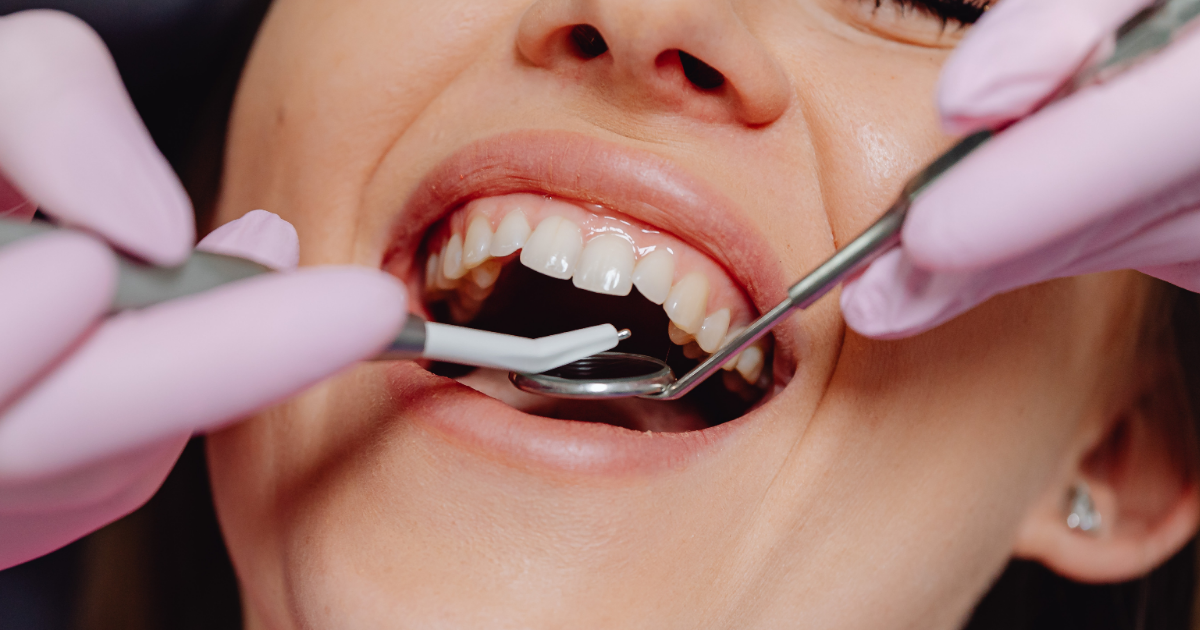
Even with excellent home care, professional maintenance is essential for implant longevity. These appointments allow your dental team to clean areas you cannot reach and monitor your implant health closely.
Professional Cleaning Procedures
Professional implant cleaning requires specialised instruments. Your hygienist will use professional instruments that effectively remove plaque and calculus without damaging the implant. Ultrasonic scaling around implants uses vibrations to help break down bacterial deposits while protecting the implant surface. Your hygienist will adjust the power and technique specifically for your implants.
Monitoring Implant Health
Regular X-rays allow your dentist to monitor bone levels around your implants. Small changes in bone height can indicate developing problems long before you experience symptoms.
Your dental team will also assess gum health around each implant, checking for signs of inflammation, recession, or infection. They'll measure pocket depths around implants and compare them to previous visits to track any changes.
Early detection of potential problems is one of the most valuable aspects of professional maintenance. Issues caught early are typically simple and inexpensive to address, while problems that develop unnoticed can become serious and costly.
Visit our professional aftercare services page to learn more about our comprehensive maintenance programs.
Tools and Products for Implant Care
Having the right tools makes cleaning dental implants much easier and more effective.
Recommended Products
Non-abrasive toothpastes protect implant surfaces while effectively cleaning teeth and gums. Avoid whitening toothpastes, baking soda formulas, or anything marketed as "extra strength" around implant sites.
Antimicrobial mouth rinses can provide additional protection, but choose alcohol-free formulas to avoid tissue irritation. Some rinses are specifically formulated for implant patients, though these aren't always necessary.
What to Avoid with Dental Implants
Knowing what not to do is just as important as knowing proper maintenance tips for dental implants. Certain products and habits can significantly shorten implant lifespan or cause complications.
Products to Avoid
Abrasive toothpastes can gradually wear down implant surfaces and the surrounding restoration materials. This includes most whitening toothpastes, smokers' toothpastes, and baking soda formulations.
Metal instruments should never be used around implants. This includes metal floss picks, dental picks, or any metal tools you might use to remove food particles. Stick to plastic or wooden alternatives.
Habits to Change
Teeth grinding and clenching can place enormous stress on implants and their restorations. If you grind your teeth at night, a custom night guard is essential protection for your investment.
Using teeth as tools to open packages, crack nuts, or hold objects can damage both implants and natural teeth. Always use proper tools for these tasks.
Chewing on hard objects like ice, hard candy, or pencils can fracture implant crowns or damage the implant itself. Be mindful of what you put in your mouth and how you use your teeth.
Signs of Implant Problems to Watch For
Early detection of implant problems can often prevent minor issues from becoming major complications. Here's what to watch for between your regular checkups.
Gum and Tissue Warning Signs
Bleeding gums around implants should be taken seriously. While a small amount of bleeding during the first few days after cleaning is normal, persistent bleeding indicates inflammation that needs attention.
Swelling or redness that doesn't resolve within a few days could signal infection. Unlike natural teeth, implants don't have the same blood supply to fight infection naturally, so bacterial problems can progress quickly.
Receding gums around implant sites can expose the implant threads or abutment, creating areas that are difficult to clean and more prone to bacterial accumulation.
Bad taste or odour specifically from the implant area often indicates bacterial infection that requires professional treatment.
Implant Stability Concerns
Loose crowns or other components require immediate attention. While the implant itself rarely becomes loose once integrated, the crown or abutment can occasionally loosen over time with normal wear and tear.
Pain or discomfort when chewing on the implant side could indicate mechanical problems, infection, or bite issues that need adjustment.
Any changes in how your implant feels when you bite down or speak should be evaluated. Implants should feel completely stable and natural during all normal activities.
Long-Term Maintenance Strategies
Successful dental implant aftercare isn't just about daily cleaning. Long-term success requires attention to overall health and lifestyle factors that affect implant longevity.
Lifestyle Factors for Implant Success
Your diet affects implant health more than you might realize. Foods rich in calcium and vitamin D support the bone that holds your implants. Limit sugary and acidic foods that can contribute to bacterial growth around implant sites.
Managing systemic health conditions like diabetes is crucial for implant success. Poor blood sugar control affects healing and increases infection risk around implants. Work with your medical doctor to optimize your overall health.
Stress management might seem unrelated to dental health, but chronic stress can lead to teeth grinding, poor oral hygiene habits, and compromised immune function that affects oral health.
Maintenance Schedule Planning
Create reminder systems to help maintain consistent oral hygiene habits. Phone alarms, bathroom mirrors notes, or smartphone apps can help establish routines until they become automatic.
Schedule professional maintenance appointments in advance. Many patients benefit from appointments every three to four months rather than the standard six-month interval, especially in the first year after implant placement.
As you age, your needs may change. Arthritis might make certain cleaning techniques difficult, or medications might affect your oral health. Stay in communication with your dental team about any changes that might affect your maintenance tips for dental implants routine.
Our dental implant specialists are always available to help you adapt your care routine as needed.

Why Choose The Implant Centre for Aftercare Support
At The Implant Centre, dental implant aftercare is an ongoing part of your treatment, not an afterthought. Our approach to long-term implant care is designed to protect your results and support lasting success.
Our maintenance programmes are tailored specifically for implant patients and use modern techniques and instruments developed for implant care. This ensures your implants are maintained to the highest clinical standard.
Our team consists exclusively of implant experts who understand the unique needs of implant patients.This focused expertise means we can detect potential problems earlier and provide more targeted solutions than general dental practices.
We provide ongoing education and support to help you maintain optimal oral health. Whether you need technique refinement, product recommendations, or answers to questions that arise, our team is here to support your success.
Our state-of-the-art facility includes the latest diagnostic technology for monitoring implant health. Digital X-rays, advanced periodontal probing systems, and other diagnostic tools help us track your implant health precisely over time.
Explore our complete range of implant treatments and services to see how we can support your oral health journey.
Conclusion
Proper dental implant aftercare is essential for long-term success. By following the guidance in this guide, you’re setting yourself up for years of confident eating, speaking, and smiling.
Learning how to clean dental implants properly takes a little practice, and that’s completely normal. Most patients find their routine quickly becomes second nature with consistent daily care.
The principles are straightforward: gentle but thorough cleaning, regular professional maintenance, and knowing when to seek advice. Alongside a healthy lifestyle and ongoing support from your dental team, these habits help ensure your implants continue to perform as they should.
Your implant journey doesn’t end once your crowns are fitted. It’s an ongoing partnership focused on protecting your oral health for the long term.
If you’d like personalised support, our aftercare team is here to help you refine your routine and get the most from your dental implants for years to come.
Learn more about dental implants from how expert in these videos


